



Iranian Sheep Specimen
Ovine (Ovis aries) is a mammal of the genus Ovine in the family Boviidae, in the order Artiodactyla. The body is plump and covered with dense hair. Short head; Rams have large spiral horns, ewes have no horns or small horns; The skull has a tear socket and the nasal bone is relatively raised. Four hooves have toe glands; The tip of the mouth and lips are thin and flexible. Weight ranges from tens of kilograms to more than 100 kilograms, with a natural life span of about 15 years.

sheep specimen
Ovine (Ovis aries) is a mammal of the genus Ovine in the family Boviidae, in the order Artiodactyla. The body is plump and covered with dense hair. Short head; Rams have large spiral horns, ewes have no horns or small horns; The skull has a tear socket and the nasal bone is relatively raised. Four hooves have toe glands; The tip of the mouth and lips are thin and flexible. Weight ranges from tens of kilograms to more than 100 kilograms, with a natural life span of about 15 years.

Sheep skull
Sheep are mammals of the family Auchenipteridae in the order Artiodactyla. Full body and dense fur; Short head; Rams often have spiral shaped large horns, while ewes have no horns or small horns; There are tear troughs on the skull, and the nasal bone is relatively raised; Four hooves have toe glands; Sharp mouth, thin and flexible lips; The weight ranges from tens of kilograms to hundreds of kilograms, and the natural lifespan is about 15 years. Sheep originated in Central Asia and gradually expanded to various parts of the world. Gentle temperament, strong imitative and sociable, with a habit of following the leader sheep to gather in groups. Eating short grass, as well as coarse and hard straw and branches. Artificially raised animals can be fed with feed.

Clone sheep Dolly
Dolly was the world's first successfully cloned sheep. This research not only has significant implications for embryology, developmental genetics, and medicine, but also has enormous economic potential. Dolly was born on July 5, 1996 and passed away on February 14, 2003. Duoli made its first public appearance in 1997, shaking the whole world. The American magazine Science named the birth of Duoli as the first of the top ten technological advances in the world that year. Dolly's specimen is currently housed in the National Museum of Scotland.

Popular Models
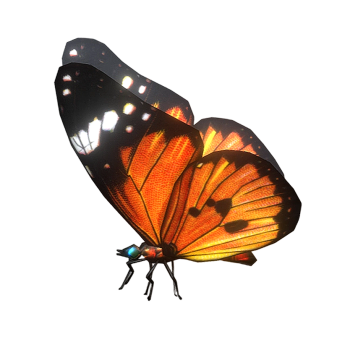
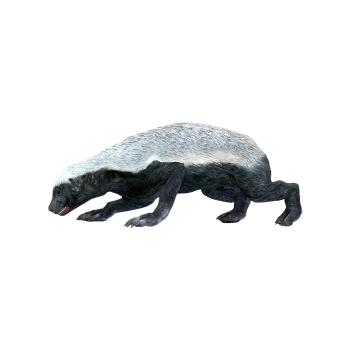
Honey Badger (3D animated model)
192 View
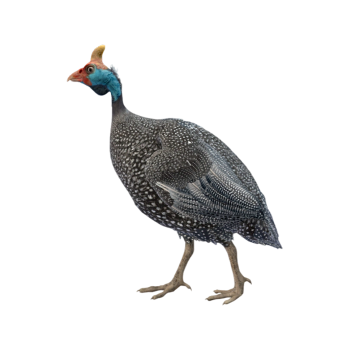
Guinea fowl (3D animated model)
163 View
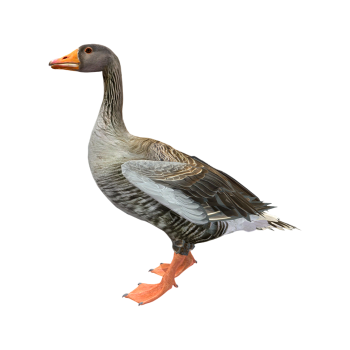
Wild Goose (3D animated model)
185 View
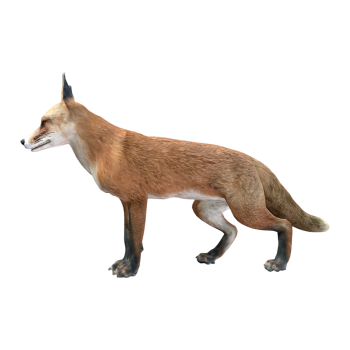
Red Fox (3D animated model)
153 View
Random Model

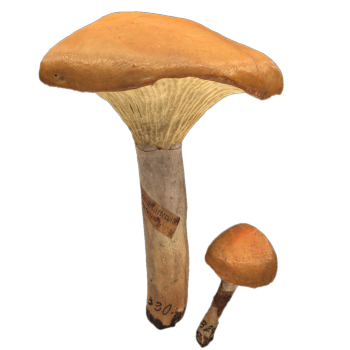
Grassland wax umbrella
875 View

Israeli Magach7C main battle tank
743 View
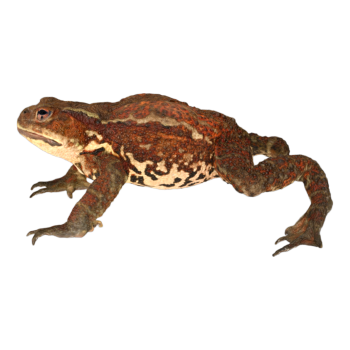
Hyla simplex
933 View

Brass Kettle (3D Action Model)
129 View

DT830D digital multimeter
1409 View

Greenland dock mooring column
883 View

Crane hoe
886 View

a yellow forklift
501 View
